

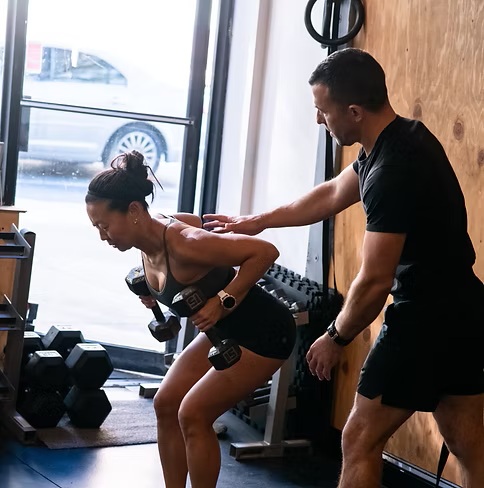
The fitness industry attracts passionate people, which is wonderful. It also attracts some individuals with minimal qualification or training background, which is less wonderful. This reality creates confusion for anyone seeking professional guidance. The difference between working with a certified personal trainer and receiving instruction from someone without credentials can mean the difference between rapid progress and injury, sustainable change and frustration. Certified personal trainers bring something beyond motivation or encouragement; they bring education, expertise, and accountability. In a landscape filled with fitness influencers, internet personalities, and self-proclaimed experts, understanding what certification actually means and why it matters has become essential to making smart choices about your training investment.
Credentials Actually Matter in Fitness Instruction
Certification requirements vary significantly across different organizations, and not all certifications carry equal weight. Reputable certifications from organizations like NASM, ISSA, ACE, or NFPT require extensive coursework, hands-on practical experience, and rigorous examination. These credentialed professionals understand exercise science, anatomy, physiology, and programming principles at a level that matters tremendously when designing training for real people with varying capacities and goals.
A certified personal trainer has studied kinesiology and understands how movements create force through joints. They comprehend muscle function, movement efficiency, and the principles that govern adaptation and progression. This knowledge isn’t academic trivia; it’s the foundation for recognizing when something isn’t working, adjusting approach, and scaling appropriately.
When you work with certified professionals, you’re benefiting from evidence-based practice rather than Instagram trends or whatever gained popularity last month. This distinction becomes increasingly important as you progress, because beginners can see results almost regardless of training approach, but sustained progress requires intelligent programming and appropriate progression.
Injury Prevention Through Expert Assessment
Here’s a reality that prevents many people from achieving their fitness potential: they get injured. Some injuries result from bad luck, but many stem from poor movement mechanics, inappropriate progression, or misguided training decisions. A certified personal trainer assesses movement patterns, identifies limitations, and builds training that addresses specific vulnerabilities before they become injuries.
This assessment process is something you rarely experience in group classes or with online programming. A trainer watches you move, evaluates your mobility and stability in various positions, and understands your movement history and any previous injuries. They then program training that works within your capabilities while systematically improving them.
The economic argument here is straightforward. Paying for professional instruction upfront costs money. Getting injured and spending months rebuilding costs time, money, and mental health. Certified trainers serve a preventive function that self-directed or poorly directed training cannot provide.
Beyond prevention, expert trainers recognize when something is causing pain versus appropriate muscular discomfort. They know when to push and when to back off. They understand the difference between challenging growth and harmful overtraining. This judgment matters enormously for people who are either overly cautious (thus missing out on benefits) or overly aggressive (thus inviting injury).
Customization and Progressive Overload
Generic workout programs available online have real value for people already familiar with training. But they’re limited by the fact that they don’t know you. They don’t know your movement history, your specific limitations, your injury background, or your goals with precision. A certified personal trainer provides the opposite experience, building programming specifically around your circumstances.
This customization becomes especially valuable as you move beyond beginner status. The first few months of training yield results regardless of specificity, because any legitimate training stimulus creates adaptation. But achieving advanced results requires increasingly specific, individualized programming that accounts for your unique capacity, recovery rate, and response to training stimulus.
Progressive overload, the principle that fitness improves through gradually increasing challenge, can be achieved many ways. A trainer’s job includes finding the right progression method for you. For some people, that means adding weight. For others, it means changing tempo or increasing repetition count. For others still, it might mean adding complexity or duration. A certified trainer knows the options and selects intelligently based on your response.

Accountability and Behavioral Change
Beyond the physical programming, certified personal trainers provide something increasingly rare: accountability for behavior change. This matters because fitness results depend on decisions made outside the gym alongside training itself. Nutrition, recovery, consistency, and stress management all influence outcomes significantly.
A good trainer doesn’t just tell you what to do; they create systems and accountability that make doing it easier. They check in on how you’re progressing. They adjust when life inevitably becomes chaotic. They celebrate victories and help you problem-solve obstacles. This human element, combined with professional expertise, creates a radically different experience than following a program alone.
The behavioral psychology literature consistently shows that external accountability increases adherence and follow-through. Having someone in your corner who understands both the physical demands and the psychological challenges of fitness change is incredibly valuable. It’s one reason why some people thrive with personal training while others succeed with group classes led by certified instructors. The specific format matters less than having quality instruction and accountability present.
If you’re considering working with professionals, ensure you’re choosing certified personal trainers who have legitimate credentials and demonstrated experience working with people like you, because that distinction genuinely matters.
Conclusion:
Certified personal trainers represent an investment in expertise and accountability that delivers measurable returns. The knowledge they bring prevents injury, the customization they provide accelerates progress, and the accountability they supply improves consistency. While quality training is available through many formats, including group classes and structured programs, having access to expert guidance makes the entire journey more efficient and enjoyable. Whether you’re beginning your fitness journey or struggling to break through a plateau, working with certified professionals is an investment that pays dividends.
FAQ:
Q: How do I verify that a trainer is actually certified?
A: Ask for their certification credentials directly and verify with the certifying organization if necessary. Legitimate trainers are proud of their credentials and provide proof readily.
Q: Is hiring a personal trainer expensive?
A: Quality personal training is an investment, but group classes and small group coaching often provide expert instruction at lower cost than one-on-one training.
Q: How long should I work with a trainer?
A: Many people benefit from several months to a year of training to establish sound movement patterns, then maintain with group classes or structured programs.