

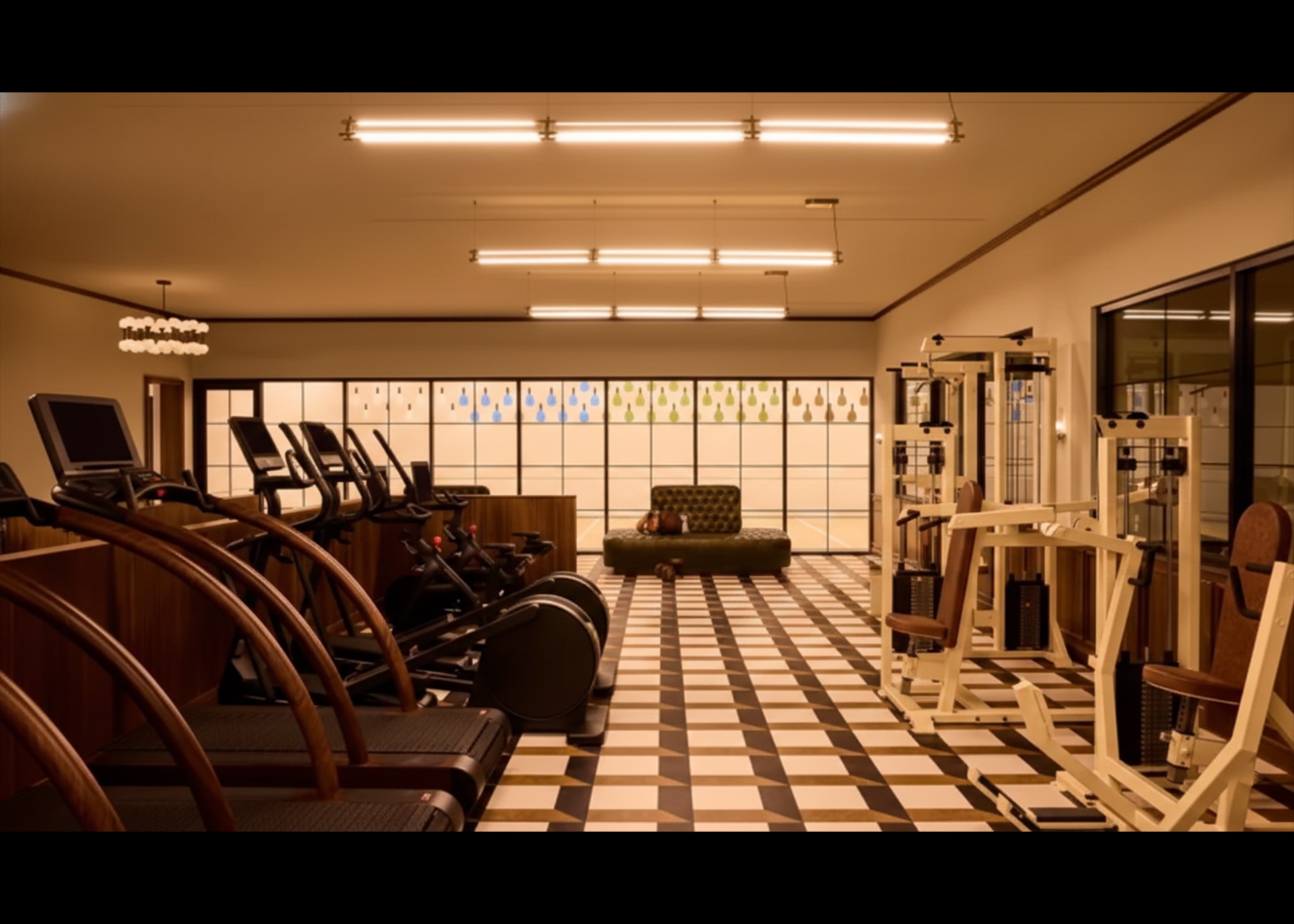
Creating a successful fitness facility takes more than purchasing quality equipment. Every detail, from the layout to the overall appearance, influences how members experience the space. A thoughtfully planned gym encourages motivation, improves safety, and helps maximize every square foot. Whether you are opening a new fitness center or renovating an existing one, professional planning can make a significant difference. Choosing SPX Gym Design means investing in a fitness environment that combines functionality, comfort, and modern aesthetics while supporting long-term business success.
Why Professional Gym Design Matters
A gym should be more than a room filled with exercise machines. Members expect an environment that is welcoming, organized, and easy to navigate. Professional gym design ensures that every area serves a purpose while creating an enjoyable experience for users. When people enter a well-designed facility, they immediately notice the open layout, proper lighting, and logical arrangement of equipment. These elements contribute to higher customer satisfaction and encourage repeat visits. Business owners also benefit from a professional design because it improves operational efficiency, simplifies maintenance, and creates opportunities for future expansion.
The Importance of Planning Before Construction
Successful gyms begin with careful planning. Before selecting flooring or equipment, it is important to understand the available space, target audience, and business goals. Planning involves evaluating several important factors, including available square footage, expected member capacity, traffic flow, equipment requirements, safety regulations, storage needs, accessibility standards, and future growth opportunities. By considering these factors early, costly mistakes can be avoided while creating a space that remains functional for years.
Creating Efficient Layouts for Better Performance
The layout of a gym has a direct impact on user experience. Members should be able to move comfortably between workout zones without congestion. A balanced layout generally includes separate areas for strength training, cardiovascular exercise, functional fitness, stretching, group classes, personal training sessions, locker rooms, and reception. Wide walkways improve movement while maintaining safety. Equipment should be positioned with enough clearance to allow comfortable use and easy maintenance. An efficient layout also allows staff to supervise members more effectively while creating a welcoming atmosphere.
Equipment Integration That Maximizes Space
Selecting the right equipment is only one part of creating a successful gym. Proper integration ensures that machines fit naturally within the available space while maintaining accessibility. Different facilities have different requirements. A commercial fitness center may require dozens of strength and cardio machines, while a boutique studio may prioritize open workout areas and multifunctional equipment. Professional designers carefully evaluate equipment dimensions, user movement patterns, electrical requirements, and maintenance access before finalizing placement. This thoughtful approach creates a clean and organized appearance without sacrificing functionality.
Modern Aesthetics Improve Member Experience
Today’s gym members appreciate attractive interiors that motivate them to exercise regularly. Design elements such as lighting, flooring, wall colors, mirrors, and branding all contribute to the overall experience. Natural lighting can make workout areas feel more spacious. Mirrors create the illusion of larger rooms while helping members monitor their exercise techniques. Color psychology also plays an important role. Bright colors often energize users, while neutral tones create a professional and calming environment. Combining these elements produces a modern facility that leaves a lasting impression.
Custom Solutions for Every Fitness Business
Every fitness business serves a unique audience. A gym designed for athletes will differ significantly from one focused on seniors or rehabilitation. Professional customization considers the needs of different businesses, including commercial gyms, boutique fitness studios, hotel fitness centers, apartment gyms, corporate wellness facilities, school gyms, sports performance centers, rehabilitation clinics, and personal training studios. Customized solutions ensure that every available square foot supports the intended purpose while reflecting the owner’s brand identity.
Technology Is Changing Gym Design
Modern fitness facilities increasingly incorporate technology to improve member convenience and operational efficiency. Popular technology features include digital check-in systems, smart lockers, interactive workout screens, virtual training areas, automated lighting controls, climate management systems, member management software, and energy-efficient equipment. These innovations help create a seamless experience while reducing operating costs.
Safety Should Always Come First
Safety remains one of the most important considerations in any fitness facility. Professional planning minimizes hazards by providing adequate spacing between machines, non-slip flooring, proper ventilation, emergency exits, sufficient lighting, and clear traffic pathways. Accessibility is equally important. Facilities should accommodate users of all ages and physical abilities while complying with applicable building standards. A safe environment builds trust and improves member satisfaction.
Sustainable Design Benefits Everyone
Many modern fitness facilities are embracing environmentally friendly design practices.
Energy-efficient lighting reduces electricity consumption while LED fixtures require less maintenance. Sustainable flooring materials improve durability and reduce environmental impact. Water-saving fixtures, efficient HVAC systems, and recyclable construction materials further contribute to responsible business operations. Sustainability not only lowers operational expenses but also appeals to environmentally conscious members.
Branding Through Interior Design
A gym’s appearance communicates its identity before members even begin their workouts. Brand consistency can be achieved through coordinated colors, signage, logos, furniture selection, lighting styles, and wall graphics. An inviting reception area creates a positive first impression, while cohesive interior design strengthens brand recognition throughout the facility. Strong branding helps distinguish a gym from local competitors.
Why Professional Expertise Delivers Better Results
Designing a fitness facility involves balancing aesthetics, functionality, safety, and business goals. Professional experience simplifies this complex process by identifying practical solutions that may not be obvious during independent planning.
Working with experienced specialists helps optimize available space, improve equipment placement, reduce renovation costs, increase operational efficiency, and enhance the overall member experience. This comprehensive approach to Gym Design allows business owners to focus on growing their fitness communities instead of solving layout challenges after construction.
Long-Term Value of Quality Gym Design
A professionally designed facility continues to deliver value long after opening day. Members are more likely to remain loyal when they enjoy exercising in a comfortable and organized environment. Efficient layouts reduce maintenance challenges while supporting staff productivity. Attractive interiors also encourage positive reviews, referrals, and social media sharing. As membership grows, a flexible design makes future expansion significantly easier. Investing in quality design is ultimately an investment in customer satisfaction and business success.
Conclusion
Creating a successful fitness facility requires careful planning, smart space utilization, attractive aesthetics, and thoughtful equipment integration. Professional gym design transforms ordinary spaces into environments that motivate members, improve operational efficiency, and support long-term business growth. From customized layouts to modern technology and sustainable solutions, every design decision contributes to a better fitness experience. By prioritizing functionality alongside visual appeal, gym owners can create facilities that stand out in an increasingly competitive industry while delivering lasting value to both members and staff.
Frequently Asked Questions
What makes a professionally designed gym more successful?
Professional gym design improves space efficiency, member experience, safety, equipment organization, and overall business performance, leading to better customer satisfaction and higher retention.
Can gym design be customized for different business types?
Yes. Every facility can be customized based on its target audience, available space, fitness programs, branding, and long-term business objectives.
Why is equipment placement important in gym design?
Proper equipment placement improves safety, creates smoother traffic flow, maximizes available space, simplifies maintenance, and provides members with a more comfortable workout experience.